



UK Wildfires: Increased Risks for the Construction and Insurance Market
September 2026Wildfires have traditionally been associated with jurisdictions such as Australia, California and parts of Southern Europe rather than the United Kingdom. However, that perception may be changing.
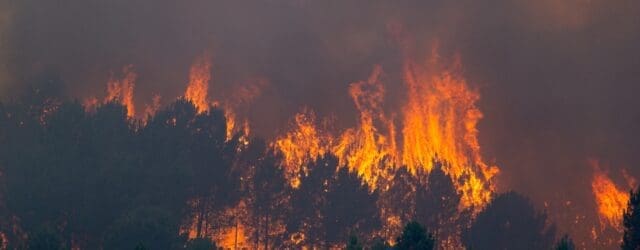
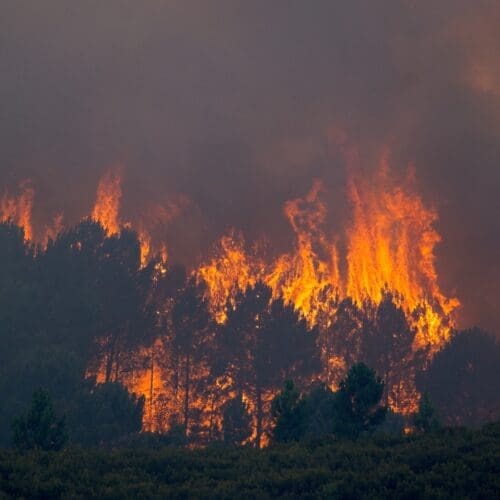
In 2025, the UK experienced its most severe wildfire season on record, with approximately 47,800 hectares of land affected. Continued drought conditions and prolonged periods of dry weather this year have resulted in further significant wildfire activity across the country.
As climate patterns evolve, wildfires are becoming an increasingly foreseeable risk. For construction professionals, this raises important questions about future-proofing developments, the adequacy of existing fire safety standards and whether design decisions appropriately account for climate-related hazards. From a professional indemnity perspective, the issue extends beyond physical damage and may give rise to scrutiny of whether wildfire risks were adequately considered during planning, design and construction.
A Regulatory Gap in UK Construction?
The UK has undertaken significant fire safety reform in recent years, particularly following the Grenfell Tower tragedy. Nevertheless, existing regulations remain focused primarily on fires originating within buildings or spreading between neighbouring structures.
Approved Document B and the wider Building Regulations in the UK address compartmentation, means of escape, fire service access, fire resistance and the control of external fire spread. However, they are not specifically designed to address buildings exposed to advancing wildfires, radiant heat or ember attack from surrounding vegetation.
From a professional indemnity perspective, this creates a potentially challenging environment. The absence of wildfire-specific requirements does not necessarily remove liability exposure, as the courts assess professional negligence against the standard of reasonable skill and care and evolving industry knowledge.
In contrast, several international jurisdictions have introduced wildfire-specific building standards. California’s Wildland-Urban Interface requirements, for example, mandate the use of ignition-resistant materials designed to reduce the risk of external ignition.
As wildfire exposure increases in the UK, similar considerations may begin to influence planning policy, industry guidance, insurer expectations and, ultimately, regulatory requirements.
Planning, Design and Professional Responsibility
Although there is currently no UK requirement for wildfire-specific assessments, wildfire risk is likely to follow a similar trajectory to flood risk and become an increasingly relevant planning consideration in the UK.
There is evidence that wildfire risk is already entering planning discussions, particularly for developments located adjacent to woodland and other rural landscapes, as well as large housing, infrastructure and energy projects situated at the urban-rural interface. It is likely that developers and planning authorities will start to place greater emphasis on site selection, building separation distances, landscaping strategies and the specification of fire-resistant materials.
Furthermore, as awareness of wildfire risk grows, professionals may face greater scrutiny regarding whether alternative design solutions could reasonably have improved resilience and reduced the extent of damage. Questions surrounding site-specific risk assessments, material selection and climate-resilient design are therefore likely to become increasingly important from both a risk management and professional indemnity perspective.
Risks During Construction
Wildfire exposure is not limited to existing developments. Live projects are also a risk factor. Construction sites frequently contain combustible materials, including timber, packaging, insulation products, temporary electrical installations and fuel sources, making them particularly vulnerable to external fire events.
A nearby wildfire could damage partially completed works, disrupt supply chains, delay project programmes and increase construction costs. It also presents significant health and safety risks to the site team and members of the public. Unlike many conventional site fires, wildfires can spread rapidly across large areas, creating challenges for evacuation, emergency access and business continuity.
These risks reinforce the importance of robust site risk assessments, emergency response procedures and clear evacuation strategies, particularly for projects located near higher-risk landscapes.
Implications for the Insurance Market
From an insurance perspective, wildfires represent a developing challenge. For professional indemnity insurers, the potential for claims arising from alleged failures in professional advice, risk assessment, planning and design should be noted.
Underwriters face challenges in understanding and pricing the risk, with limited historic UK data available compared with more established climate perils such as flooding. Unlike flooding, where insurers benefit from decades of historic claims data, detailed flood mapping and established catastrophe modelling, UK wildfire data remains relatively limited. This makes risk quantification more difficult and introduces greater uncertainty into underwriting decisions.
Climate-related claims also present challenges from a claims handling perspective. Construction disputes are often highly technical, expert-driven and document-intensive, leading to prolonged litigation and significant defence costs.
Looking Ahead
Wildfires are becoming an increasingly important consideration for both the construction and insurance sectors.
As climate conditions continue to evolve, wildfire resilience is likely to play a greater role in design decision-making, project risk management and underwriting assessments. Construction professionals who identify and address wildfire-related risks at an early stage will be better placed to mitigate potential liability exposures.
Given the evolving nature of this risk, early legal advice may assist in addressing issues such as contractual risk allocation, planning and regulatory requirements, and health and safety obligations. Where a wildfire-related claim arises, legal support can also be invaluable in navigating insurance coverage issues and defending claims against construction professionals.
If you would like to discuss any of the issues raised in this article or require further information, please do not hesitate to contact Sophie-Rose Bowen and Savita McRae.
Download PDF